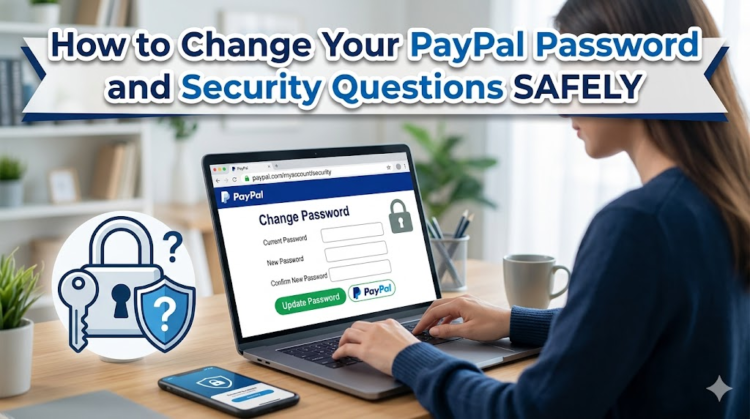

HowToForYou.com – Keeping your online accounts secure is no longer optional. With rising concerns about data breaches and identity theft, regularly updating your login credentials is one of the simplest ways to protect yourself. If you use PayPal, knowing how to change your password and security questions is essential for maintaining account security.
This guide walks you through the process step by step, along with a few practical tips to strengthen your overall account protection.
Why Updating Your Credentials Matters
Before diving into the steps, it’s worth understanding why this process is important. A strong, updated password and relevant security questions can:
For You :
- Prevent unauthorized access
- Reduce the risk of financial fraud
- Keep your personal and payment data safe
Security experts recommend refreshing your login details periodically, especially if you reuse passwords across multiple platforms.
How to Change Your PayPal Password
At the moment, password updates must be done through a web browser rather than the mobile app. Follow these steps:
Step 1: Access Your Account Settings
Log in to your account on the PayPal website and navigate to the Settings section.
For You :
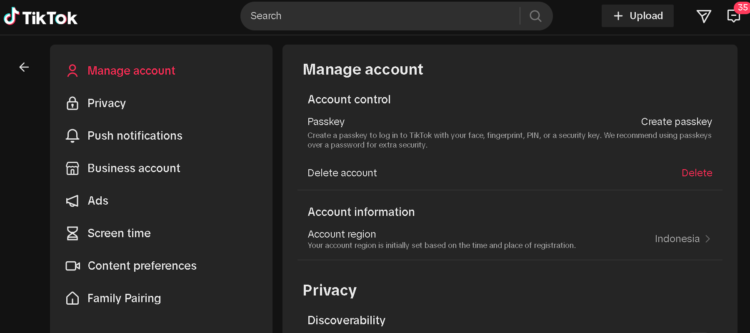
Step 2: Open the Security Tab
Once inside Settings, locate and click the “Security” tab, typically found near your profile name.
Step 3: Select Password Update
Look for the “Password” option and click “Update.”
Step 4: Enter Your Credentials
You’ll need to:
For You :

- Confirm your current password
- Enter your new password
- Re-enter the new password to verify
Step 5: Save Changes
Click “Change Password” to finalize the update.
How to Change Your Security Questions
Security questions act as a backup verification method, so keeping them current is just as important.
Step 1: Go to Settings
Log in and head back to the Settings page.
For You :

Step 2: Navigate to Security
Click on the “Security” tab again.
Step 3: Update Security Questions
Find the “Security questions” section and click “Update.”
Step 4: Choose and Answer Questions
Select new questions from the dropdown menus and provide your answers. Make sure they are memorable but not easily guessed.
For You :

Step 5: Save Your Changes
Click “Save” to apply the updates.
Best Practices for Stronger Account Security
Changing your password is only part of the equation. Consider these additional tips:
- Use a mix of uppercase letters, lowercase letters, numbers, and symbols
- Avoid using personal information like birthdays or names
- Enable two-factor authentication if available
- Do not reuse passwords across multiple accounts
How Often Should You Update Your Password?
There’s no strict rule, but a good guideline is every 3 to 6 months. You should also change it immediately if:
For You :

- You suspect suspicious activity
- You’ve shared your password with someone
- A service you use reports a data breach
Final Thoughts
Understanding how to manage your login credentials is a basic but powerful step toward better online safety. While it may seem like a small task, regularly updating your password and security questions can make a significant difference in protecting your financial information.
If you haven’t reviewed your account security recently, now is a good time to take action.
For You :