
Table of contents:
HowToForYou.com – If you’ve ever watched a once-thriving houseplant slowly fade despite regular watering and a sunny windowsill, you’re not alone. Indoor gardening often feels like guesswork. But according to horticulture specialists, most plant problems are not about luck or talent. They come down to understanding environment, timing, and restraint.
Here’s how to keep houseplants alive and healthy, with guidance grounded in professional growing practices and a closer look at why common mistakes happen in the first place.
How to Choose the Right Plant for Your Space
One of the most overlooked steps in plant care happens before you even bring a pot home. Many buyers select plants based on appearance rather than compatibility with their indoor conditions.
For You :
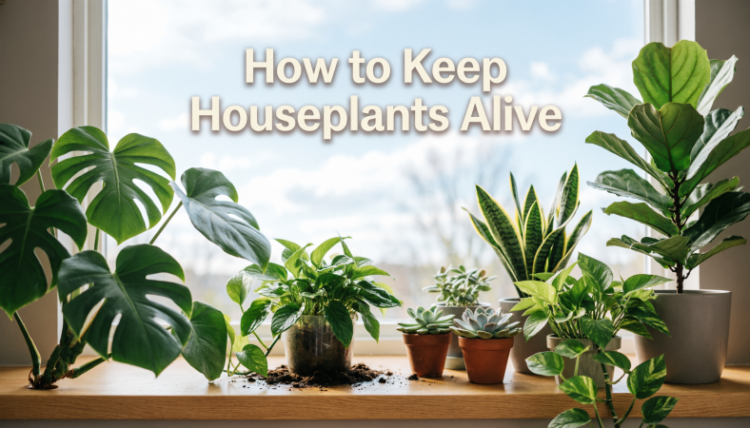
Light is the first variable to assess. Bright, indirect light works well for tropical foliage like monstera. Kitchens and bathrooms, which naturally hold more humidity, tend to support moisture-loving plants such as peace lilies or trailing ivy varieties. Meanwhile, darker hallways or shaded corners are better suited for tougher species that tolerate low light, including snake plants and cast iron plants.
Before purchasing, observe your home throughout the day. Note where sunlight falls and how long it lasts. A plant placed in the wrong environment may decline slowly over months, often mistaken for watering issues when the real problem is inadequate light.
How to Avoid Overwatering Your Plants
If there is one mistake experts see most often, it is overwatering. Many plant owners follow a fixed schedule rather than checking soil conditions.
For You :

Instead of watering by calendar, water by touch. Insert a finger about an inch into the soil. If it feels damp, wait. If it feels dry, water thoroughly until excess drains from the bottom.
Succulents and cacti are especially vulnerable to excess moisture. These plants evolved in arid climates and store water in their leaves or stems. Light misting or infrequent deep watering is typically enough.
Brown or yellowing leaves can signal both overwatering and underwatering, so context matters. Soft, mushy stems often indicate root rot from too much moisture, while crisp edges suggest dehydration.
For You :

For those who travel frequently or prefer a controlled approach, watering globes or capillary mats can help regulate moisture delivery without saturating the roots.
How to Adjust Plant Care by Season
Plant care is not static throughout the year. Growth patterns shift with daylight hours and temperature changes.
During spring and summer, most houseplants enter an active growth phase. This is when they require more consistent watering and occasional feeding with a balanced fertilizer. Fast-growing plants may need watering multiple times per week during peak heat.
In contrast, autumn and winter bring slower growth. Reduced daylight signals plants to conserve energy. Overwatering during this period is particularly common because soil dries more slowly. Allow soil to dry completely before watering again, and pause fertilizer applications until growth resumes.
Repotting is also best done in spring. Signs that a plant has outgrown its container include roots circling the bottom, roots emerging from drainage holes, or water running straight through without absorbing. A slightly larger pot gives roots space to expand and improves nutrient uptake.
How to Care for a Poinsettia Beyond the Holidays
For many households, poinsettias mark the beginning of indoor plant ownership. Yet they are often discarded once their bright red bracts fade.
To extend their life, recreate aspects of their native warm climate. Keep them in a stable, draft-free location with consistent warmth. Avoid placing them near cold windows or heating vents. They prefer bright but indirect light.
Water only when the top layer of soil feels dry. Excess water should drain fully to prevent root damage. Light misting can maintain humidity without soaking the roots.
Monthly feeding supports continued health. In spring, trim back stems to encourage fuller growth, then repot in late spring if needed. To encourage red bracts for the following holiday season, place the plant in darkness for about 12 hours daily starting in early autumn. This light control triggers color development.
How to Build a Sustainable Indoor Plant Routine
Successful plant care is less about constant attention and more about observation. Notice leaf texture, soil moisture, and growth rate. Small adjustments often prevent larger problems.
Start with resilient varieties if you are new to indoor gardening. Snake plants, cast iron plants, and certain hoya species tolerate irregular watering and varied light conditions, making them ideal for beginners.
Above all, treat plant care as an evolving process. Indoor environments shift with seasons, heating systems, and even furniture placement. When you match plant choice to environment and adjust care throughout the year, you transform houseplant ownership from frustration into a manageable routine.
Understanding how to keep houseplants alive is not about perfect technique. It is about informed decisions, seasonal awareness, and knowing when to do less rather than more.