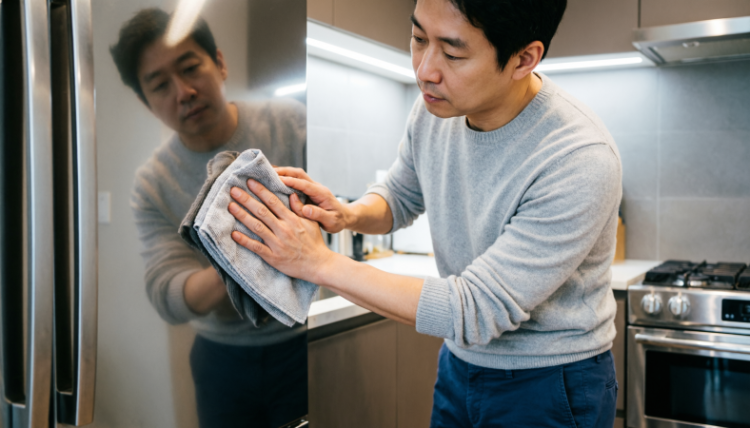

HowToForYou.com – Stainless steel appliances have become a staple in modern American kitchens. Their sleek finish signals cleanliness, durability, and timeless design. Yet anyone who owns a stainless steel refrigerator or dishwasher knows the downside. Fingerprints, water spots, grease splatters, and dull patches can quickly take away that polished look.
The good news is that learning how to clean stainless steel appliances properly does not require expensive tools or harsh chemicals. With the right approach, you can restore shine, protect the surface, and extend the life of your appliances.
Why Stainless Steel Requires a Specific Cleaning Method
Stainless steel is engineered to resist corrosion, but it is not immune to surface damage. Many people unknowingly cause streaks or micro scratches by wiping in the wrong direction or using abrasive products. The key to effective cleaning lies in understanding the grain of the steel and choosing cleaners that work with the material rather than against it.
For You :
When cleaned correctly, stainless steel maintains its reflective finish and resists future smudging more effectively.
How to Clean Stainless Steel Appliances Step by Step
Cleaning stainless steel is less about force and more about technique. Following a consistent process helps prevent damage while delivering professional results.
Step 1: Identify the Direction of the Grain
Every stainless steel surface has a visible grain, similar to natural wood. These fine lines typically run either vertically or horizontally. Always wipe in the same direction as the grain to reduce streaking and preserve the finish.
For You :

Step 2: Remove Loose Dirt and Residue
Start with a microfiber cloth lightly dampened with warm water. Gently wipe away dust, food particles, and dried water spots. This step prevents debris from scratching the surface during deeper cleaning.
Step 3: Apply a Stainless Steel Cleaner or Gentle Solution
Use a cleaner specifically designed for stainless steel, or a mild homemade alternative. Apply a small amount to the cloth rather than directly onto the appliance to avoid oversaturation. Follow the grain as you clean.
Before using any product, check the manufacturer’s guidelines for your appliance to ensure compatibility.
For You :

Step 4: Wipe and Polish the Surface
Once the cleaner is evenly applied, use smooth strokes along the grain to lift grease and fingerprints. Avoid circular motions, which often cause streaks.
Step 5: Buff With a Dry Microfiber Cloth
Finish by buffing the surface with a clean, dry microfiber cloth. This final step removes excess moisture, enhances shine, and leaves the appliance looking polished rather than cloudy.
How to Remove Stains and Discoloration From Stainless Steel
Occasionally, stainless steel develops stubborn stains or uneven discoloration caused by heat, mineral deposits, or food residue.
For You :
A simple paste made from baking soda and water can help. Apply it gently to the affected area, always following the grain. Let it sit briefly, then wipe it away with a damp cloth and dry immediately.
For more persistent spots, a diluted vinegar solution can be effective. Apply sparingly and rinse thoroughly to prevent dulling the finish.
How to Clean Stainless Steel Using Safe Home Remedies
Many homeowners prefer natural cleaning options that are both effective and affordable.
For You :

-
Baking soda works well for lifting grime without scratching.
-
White vinegar cuts through grease and water stains when diluted properly.
-
Mineral oil can be used in small amounts to add shine and reduce future fingerprints.
For You :

These household items offer a practical alternative to commercial cleaners when used carefully.
Products You Should Never Use on Stainless Steel
Certain products can permanently damage stainless steel surfaces and should be avoided at all costs.
-
Cleaners containing bleach or ammonia
For You :
-
Abrasive powders or scouring pads
-
Steel wool or metal brushes
-
Rough paper towels that can leave fine scratches
For You :

Using the wrong tools may not show immediate damage, but repeated use can dull the surface over time.
Final Thoughts on Maintaining Stainless Steel Appliances
Knowing how to clean stainless steel appliances properly makes a noticeable difference in both appearance and longevity. A gentle routine, the right materials, and attention to detail can keep your kitchen looking clean and modern year after year.
Rather than relying on harsh chemicals or guesswork, a consistent and informed approach ensures stainless steel remains one of the most rewarding materials in the home.
For You :